Weed Control + Fertilization Schedule for Northwest Suburbs Lawns (Arlington Heights, IL)
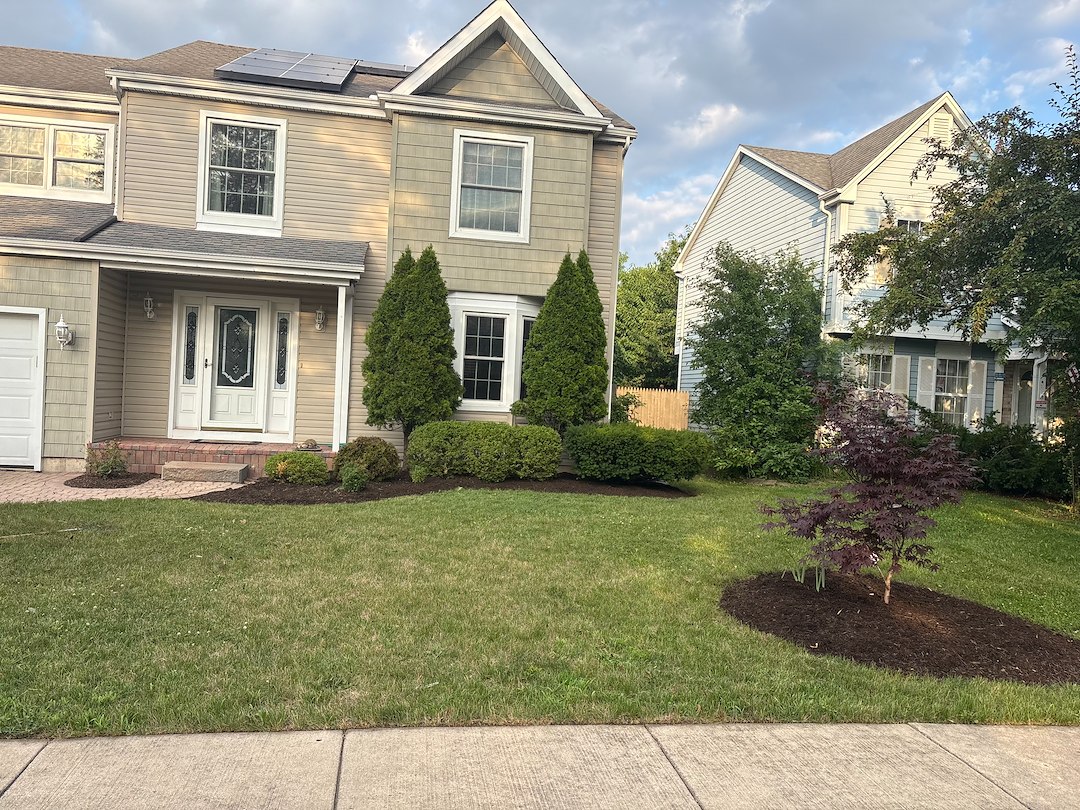
The growing season in Arlington Heights runs on a fast clock. Spring warms quickly, summer humidity surges, and fall delivers the best recovery window for cool‑season turf. If you want steady color and fewer weeds, follow a simple, professional calendar for weed control and fertilization in our Northwest Suburbs climate. A locally tuned professional weed control and fertilization program keeps your lawn a step ahead of weather swings, parkway salt stress, and foot traffic.
This guide lays out month‑by‑month service windows for pre‑emergent crabgrass control, broadleaf treatments, grub prevention, and seasonally balanced feedings. It is built for the neighborhoods around Pioneer Park, Terramere, Scarsdale, Northgate, and the areas near Lake Arlington where soil and shade can change block to block. If you need turnkey help, Sunny Creek Landscaping Inc is a trusted local partner for weed control and fertilization in Arlington Heights, IL that fits your yard’s rhythm.
Bookmark this schedule, then match it with your maintenance visits so everything works together. Pairing the right treatments at the right time protects roots, shields against weeds, and keeps color consistent through July heat and late‑season games on the back lawn.
What Northwest Suburbs Lawns Need In Arlington Heights, IL
Most Arlington Heights lawns are blends of Kentucky bluegrass, perennial ryegrass, and fine fescue. These cool‑season grasses like our spring and fall but get stressed in midsummer. They respond best to steady feeding, timely weed control, and preventative grub protection before beetle larvae begin feeding on roots.
Local variables matter. Parkway edges near busy roads collect extra heat, so crabgrass shows up there first. Shadier streets around established trees stay cooler and damp, so broadleaf weeds like plantain and creeping Charlie hang on longer. Built‑out subdivisions with compacted soil often benefit from pairing fertilization with aeration in fall to open the root zone.
Month-By-Month Weed Control And Fertilization Schedule
Use these professional service windows to plan your season. Dates shift slightly year to year based on spring warm‑up and rainfall, but the order stays the same.
- Late March to April: First balanced feeding; spot control for winter annuals. Pre‑emergent application before crabgrass takes off along driveways and south‑facing parkways.
- May to Early June: Broadleaf control as dandelions and clover peak. Second feeding to support active growth and thicken turf before summer.
- Late June to July: Preventative grub treatment during the prime protection window; light feeding to maintain color without pushing soft growth.
- August to September: Broadleaf cleanup as temps ease; repair thin areas with a nutrient blend that supports new tillers and deeper roots.
- October to November: Fall “winterizer” feeding to store energy; final broadleaf pass to reduce spring weed pressure.
Consistency beats intensity. Rather than one heavy push, steady, well‑timed visits build a dense canopy that naturally blocks many weeds and stands up to weekend play or a dog run along the fence.
Pre-Emergent Timing For Crabgrass And Annual Weeds
Crabgrass germinates as soils warm in spring, especially in sun‑baked edges next to concrete and asphalt. The pre‑emergent application belongs on the calendar before those seeds wake up. In our area, that typically aligns with late April into early May, with the exact timing guided by weather and site exposure. South‑facing drives and sidewalks may call for slightly earlier attention than shaded side yards.
The goal is simple: create a protective barrier in the upper soil where crabgrass seeds sprout. When timed correctly, this reduces summer weed outbreaks and limits the need for extra visits later. Edge zones heat first and break down protection faster, so your technician will often prioritize those stretches and may schedule a follow‑up on high‑exposure strips.
Grub And Weed Treatment Windows That Work
Grubs feed on roots and can thin turf from the bottom up. The sweet spot for preventative protection in the Northwest Suburbs sits in late June and July, before larvae burrow deep. Curative options exist later in the summer if pressure spikes, but preventing the problem is easier on the lawn and your schedule. Lawns near open fields, golf corridors, or heavy beetle activity often benefit most from this targeted timing.
Broadleaf weeds deserve a two‑phase approach: a spring pass to knock back dandelions and plantain, then a late‑summer cleanup when cooler nights help treatments work efficiently. Late‑season broadleaf control reduces the seed bank that fuels next year’s flare‑ups, especially along parkways where plows push debris and salt.
A Feeding Plan For Cool-Season Grass
Cool‑season blends want fuel as they ramp up in spring, maintain through summer, and rebuild in fall. A four to five visit plan is common in Arlington Heights, with nutrition tuned to growth cycles rather than the calendar alone.
- Spring start: Balanced feeding to recover from winter and support thickening.
- Early summer: Lighter rate to maintain color without overstimulating during heat waves.
- Late summer: Boost for recovery and to help new shoots fill thin areas.
- Late fall: “Winterizer” feeding so roots store energy for a fast green‑up next year.
Yards with heavy foot traffic, sports nets, or an energetic pup often need more mid‑season support. On the flip side, irrigated turf in consistent shade may need less push in peak summer. Feeding is not one‑size‑fits‑all and your service plan should reflect how your lawn lives week to week.
Neighborhood Notes And Microclimates
Downtown Arlington Heights and streets near Ridge Avenue warm faster in spring thanks to reflective hardscapes, so crabgrass prevention often starts there first. The Terramere and Northgate areas include mature trees that hold moisture longer, which can extend broadleaf pressure into early fall. Homes around Lake Arlington catch lake breezes that cool afternoons, handy for summer color but a signal to time feedings with care.
Newer infill lots or properties off Euclid Avenue that saw heavy construction may carry compacted subsoil. That is where fall recovery feedings shine, especially when paired with other services to open the root zone and improve nutrient uptake.
How This Schedule Fits With Other Lawn Care Services
Strong results come from stacking the right services. Your weed control and fertilization plan works even better when it aligns with mowing, edging, and seasonal cleanups. If you are building a year‑round program, browse our lawn care services to see how routine visits can be synced with your treatment windows. A clean slate after spring debris removal helps treatments reach the soil, and tight edges keep pre‑emergent where it belongs at sidewalks and drives. For a deeper dive on tidy lines, here is a quick local read on how often you should edge to keep the picture‑frame look through the season.
If you are noticing thin patches after summer heat or backyard games, timing your late‑summer feeding with soil‑opening services helps roots stretch deeper before winter. That sets up a greener, thicker start next spring without an aggressive push.
Simple Signs Your Lawn’s Timing Is On Track
Even with a calendar, your lawn tells the story. When the plan is dialed in, you will notice these patterns across Arlington Heights blocks:
- Color stays even through June without surging, then deepens in September.
- Parkway edges by the driveway resist crabgrass creep longer into summer.
- Broadleaf weeds fade after the late‑summer pass and stay quiet into fall.
- High‑traffic corners recover faster after parties or youth sports practice.
If any of those slip, that is a cue to adjust timing, not to do more all at once. Subtle tweaks keep the lawn steady and resilient.
Get A Local Plan You Do Not Have To Babysit
You should not have to watch soil temps or chase weeds across parkways. That is what a tuned service calendar is for. When you partner with Sunny Creek Landscaping Inc, a specialist handles each visit in the right window and keeps you ahead of weather‑driven changes. Many homeowners start with a season plan focused on custom weed control and fertilization, then add services that support the same goals so every visit pulls in the same direction.
If your lawn is ready for a steady, local routine, call 847-970-2013. Our team will match your property to a practical schedule for Arlington Heights and the surrounding Northwest Suburbs, then keep it humming month after month.
Sunny Creek Landscaping: Where Beauty Blooms. Contact Us for Arlington Heights Landscaping Services