Mulch Math: How Much Mulch Do I Need Per Bed (And What Type Is Best) For Mulch Installation Arlington Heights, IL?
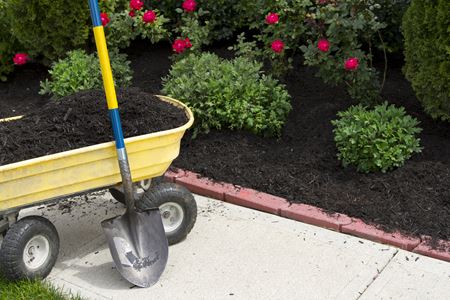
If you want crisp, healthy beds that make your home pop, the right mulch depth and material matter. Homeowners searching for mulch installation in Arlington Heights often ask two big questions: how much mulch per bed and which type to choose. Below, you will learn how our team sizes mulch for each unique landscape bed and how we help you pick a material that looks great and supports plant health all season.
When you work with our crew, we size every bed and match a mulch that fits your plants, your soil, and your curb appeal. If you are ready for a hands-off upgrade, our mulch installation in Arlington Heights is designed to be neat, consistent, and long-lasting.
What Is The Right Mulch Depth For Beds In Arlington Heights?
Northern Illinois beds perform best with a balanced layer that insulates roots in winter and holds moisture during hot July afternoons. For most perennials and foundation shrubs, a moderate layer is ideal. It limits weeds while letting water and air reach the roots.
Do not pile mulch against trunks or stems. Keep a clean ring of space around tree trunks and shrub crowns so bark can breathe and stay dry. This simple spacing move reduces rot and insect issues over time.
- Perennials and shrubs: a moderate, even layer across the bed to control weeds and stabilize soil temperature.
- Tree rings: a consistent layer that stops before it touches the trunk, shaped as a shallow “donut” rather than a mound.
Soil type matters too. Heavier clay soils in neighborhoods like Ivy Hill and Northgate hold water longer, so we avoid overly deep layers. On faster-draining spots in Terramere or near the golf course, we keep enough coverage to slow evaporation and protect feeder roots from heat.
Hardwood Vs Dyed Mulch: Which Fits Your Bed And Style?
Both hardwood and dyed mulch can look sharp when installed correctly. The best choice depends on plant type, color goals, and how much sun your beds receive throughout the day.
- Shredded hardwood: Natural look, blends well with shade gardens and mixed borders. It knits together and stays put on moderate slopes.
- Premium bark blends: Attractive texture and slow breakdown. Great for front-entry beds and around specimen shrubs.
- Dyed brown or black: Strong, defined color that makes light blooms and stonework pop. Color longevity varies with sun and rainfall.
- Cedar or pine: Noticeable aroma and a lighter look. Works nicely in cottage-style plantings and around raised beds.
In full-sun beds along brick driveways or south-facing walks, very dark mulch absorbs more heat. We often steer clients to deep brown rather than jet black near heat-reflective surfaces. In shadier areas of Scarsdale or near mature trees, a darker mulch can set off hostas and hydrangeas without stressing roots.
How Pros Calculate Mulch For Each Landscape Bed
We measure each bed’s length and width, account for curves, and then apply the target depth based on plantings and soil. That gives us a total volume for the project, which we convert to an order in cubic yards, so there is neither waste nor shortage. The result is a uniform finish that looks clean from the sidewalk and protects the soil beneath.
Edging style also affects the final amount. A deep spade edge or steel edging holds material neatly and prevents migration into turf. Beds with stacked stone borders often need a touch more material to reach a crisp, level line with the top of the stone.
Local Factors In Arlington Heights, IL That Change Your Mulch Plan
Our weather swings are real. Spring rains can be heavy, then late-season heat arrives fast. We design mulch depth and material with these shifts in mind so your beds stay stable from April to October.
Here are local details we consider when sizing and selecting mulch:
- Freeze-thaw cycles: Early spring ground movement can expose roots. A consistent layer helps buffer those shifts.
- Wind corridors: Open corners near intersections or long side yards can lose lighter mulches. Shredded hardwood holds better in breezy spots.
- Sun bounce: Dark mulch near light stone or siding can overheat shallow roots. We match color to exposure and plant tolerance.
- Soil structure: Many properties from Greenbrier to Northgate have clay-heavy soil. We balance coverage to avoid trapping excess moisture.
Mulch Depth For Perennials, Shrubs, And Trees
Perennial beds want a depth that blocks sunlight from weed seeds but still lets new growth push through in spring. Shrub borders benefit from steady insulation around the drip line to protect feeder roots. Tree rings need even coverage that stops short of the trunk so bark stays dry and healthy.
Aim for an even layer and avoid creating high spots that shed water onto stems. We rake and level during installation, so coverage is balanced and attractive from every angle.
Color, Texture, And Curb Appeal
Mulch is a design tool as much as it is plant care. Fine-textured shredded hardwood reads smooth and classic from the street, which is perfect for front beds in downtown Arlington Heights or along Arlington Heights Road. Bark blends add visual interest in larger side yards where a little texture adds depth without feeling busy.
Color should frame your plants, not steal the show. Dark brown tends to flatter most homes and makes greens and pastels stand out. Black mulch can be striking against lighter brick or siding, while natural light brown keeps a relaxed, woodland feel.
What About Weeds And Moisture?
Mulch blocks light that weed seeds need to sprout and reduces how often the soil dries out between rains. In full sun areas near Palatine Road, that moisture buffer can make a noticeable difference by late July. We also refresh compacted areas, so water moves into the soil rather than beading and running off.
If you have irrigation or soaker lines under the mulch, we spread with care so water reaches the root zone and the lines stay accessible for service.
Signs Your Beds Need More Mulch
You should not wait for bare soil to show before refreshing. Watch for these simple cues in spring walk-throughs:
- Color has faded to gray, and texture looks stringy instead of knit together.
- Root zones are exposed after a windy week or heavy rain.
- You see more weed seedlings than usual between plants.
- Edges have slumped below your mowing height or stone border.
When several of these show up at once, a professional touch-up brings beds back to the right depth and clean look.
Hardwood Vs Dyed Mulch: Care And Longevity
Shredded hardwood breaks down slowly and improves topsoil over time, which is helpful in clay-heavy yards. Dyed mulches keep a bold color longer in many settings, especially when beds get partial shade. In high-traffic spots or along sidewalks, we compact lightly after spreading so shoes, pets, and rain do not scatter the surface.
Choose quality material from a reliable supplier to avoid debris and uneven color. Well-processed mulch settles predictably, resists blowout, and gives you a smoother finish that lasts through the season.
Edging And Bed Shape Change The Final Look
We often refresh the edge as part of service so the new layer locks in cleanly. A deep spade edge creates a shadow line that frames the planting and keeps mulch from creeping into turf. Steel or paver edging provides a permanent boundary for long curves around patios and play areas.
If your beds have sharp curves or narrow necks, we adjust placement so coverage stays even without clumping. This keeps the eye moving across the landscape and makes beds look larger and more intentional.
Timing Your Refresh In Arlington Heights
For many homes in Arlington Heights, a spring install sets the tone for the year, then a light late-summer touch keeps beds neat through fall. Shady beds under mature maples may need less frequent top-ups than sunny corner lots. After storms that drop branches or heavy seed pods, a quick inspection helps us spot thin areas before weeds take advantage.
If you entertain outdoors or list your home, we can time installation to align with photos and gatherings. A fresh, even layer is one of the fastest ways to elevate curb appeal without changing your plant palette.
Why Hire A Pro For Mulching?
Precision matters. Uneven depth can trap moisture at stems, while thin coverage fails to control weeds. Our team measures every bed, chooses a material that fits your plants and exposure, and installs with clean lines so your property looks well-kept from day one.
You get consistent results, tidy edges, and protected soils without the mess on your driveway. If you want a reliable, scheduled refresh, our professional mulching service keeps your beds on a simple maintenance rhythm that matches the Arlington Heights growing season.
Your Next Step
Mulch should make your property look finished and help your plants thrive, not add work to your weekend. If you want dependable coverage, tidy lines, and the right material for your beds, partner with a local team that does this every day. We are a trusted Arlington Heights landscaping company serving neighborhoods from Downtown to Greenbrier and Terramere. Our crews arrive on time, install cleanly, and leave your property looking sharp.
Ready for mulch that looks great and protects your plants all season? Book a visit with Sunny Creek Landscaping Inc at 847-970-2013 and get your beds sized and refreshed the right way. Prefer to start online? Request your estimate today, and we will plan the right depth and material for every bed.
Sunny Creek Landscaping: Where Beauty Blooms. Contact Us for Arlington Heights Landscaping Services